

Can Grass Be Too Long to Mow?
- Gabriel Pereira
- Jun 12
- 6 min read
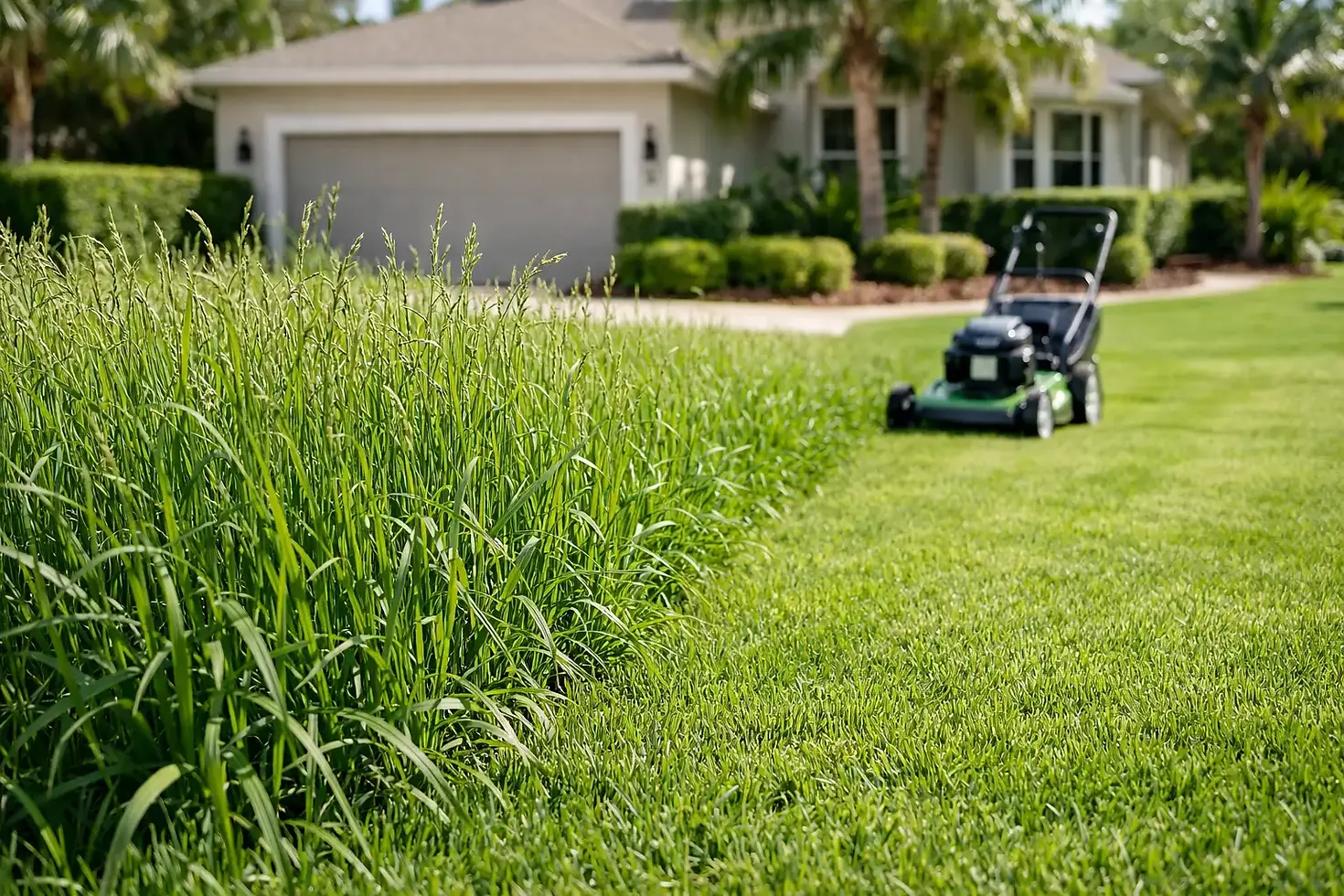
You usually notice it all at once. The yard looked fine a week or two ago, and now the grass is high enough to bend over, hide the edges, and make the whole property look less cared for. If you are wondering, can grass be too long to mow, the short answer is yes. At a certain point, mowing it like a normal weekly cut can stress the lawn, clog the mower, and leave your yard looking rough instead of clean.
That does not mean the lawn is ruined. It just means the cut has to be handled differently.
Can grass be too long to mow without damaging it?
Yes, and the issue is not only height. It is how much of the blade you remove at one time, how wet the grass is, how dense the growth has become, and what type of lawn you have. When grass gets too tall, a quick cut down to your usual maintenance height can shock the lawn and leave behind heavy clumps that smother healthy growth underneath.
A normal mow is about maintenance. An overgrown mow is more like a reset. That is why the approach matters.
For most home lawns, removing more than about one-third of the grass blade in a single mowing is where problems start. If the lawn has jumped from tidy to overgrown, cutting it all back in one pass often creates a scalped, uneven look. You may also end up with piles of wet clippings, torn blades, and a lawn that takes longer to recover.
In Florida, warm-season grasses can grow fast during rainy periods and peak growing months. A lawn can move from manageable to overgrown quicker than many homeowners expect, especially if a mowing cycle gets delayed.
What happens when grass gets too long?
Long grass changes the way the mower interacts with the lawn. Instead of trimming the top cleanly, the mower has to work through thicker, heavier growth. That can lead to ragged cuts, clumping, and uneven height across the yard.
There is also a curb appeal issue. Tall grass tends to fold over on itself, blur the lawn lines, and make edges disappear. Even if the property is otherwise in good shape, the yard can start to look neglected fast.
The lawn itself can suffer too. Extra-long grass can trap moisture near the soil, reduce airflow, and make it harder for sunlight to reach lower growth. In some cases, that creates a patchy look after mowing because the grass underneath is thinner and lighter in color.
If the grass is extremely high, hidden debris can become part of the problem too. Sticks, toys, palm fronds, and small branches are easier to miss in an overgrown yard, which makes mowing less clean and less safe.
Signs your lawn is too long for a normal mowing
There is no single number that fits every yard, but there are a few clear signs the lawn needs more than a routine cut. If the grass is bending over instead of standing upright, if the mower bogs down almost immediately, or if the cut leaves large windrows of clippings behind, the lawn is likely too long for a standard pass.
Another sign is when your usual mowing height would remove most of the blade at once. That is where lawns often get stressed. Instead of a fresh, even finish, you get a lawn that looks shaved down and tired.
For homeowners, the most practical rule is simple: if the yard has gone well past its usual maintenance window, treat it like overgrown grass, not like a regular weekly mow.
How to mow grass that got too long
The best approach is gradual. Rather than cutting the lawn all the way down at once, start with a higher mower setting and reduce the height over multiple cuts if needed. That gives the grass a chance to recover and keeps the finished look cleaner.
Timing matters too. Very long grass should not be cut when it is wet if you can avoid it. Wet blades clump together, stick under the mower deck, and make an already heavy cut even messier. Dry conditions usually produce a cleaner result.
Sharp mower blades are especially important here. Overgrown grass is harder to cut cleanly, and dull blades tend to tear rather than slice. That leaves the lawn with frayed tips and a less polished appearance.
If the growth is dense, bagging or collecting clippings may help. Mulching works well on routine maintenance cuts, but when the lawn is much taller than normal, there can simply be too much material left behind. Thick clumps block light and can leave the yard looking uneven even after the mowing is done.
In some cases, two cuts are the right move. The first brings the height down safely. The second, done after the lawn has settled a bit, restores the cleaner finished look homeowners usually want.
When mowing long grass becomes a bad idea
Sometimes the problem is not whether grass can be too long to mow. It is whether it should be mowed right now.
If the lawn is soaked, the mower is more likely to rut the ground, leave clumps, and tear the blades. If the grass is so tall that you cannot see what is underneath, there may be hidden debris that needs to be cleared first. And if the mower struggles to move through the yard without repeated stops, forcing it usually makes the result worse, not better.
There is also the issue of appearance. A rushed cut on overgrown grass rarely looks sharp. It often leaves tracks, missed patches, and uneven areas that take more time to correct later.
For homeowners who care about keeping the property neat, this is usually the point where professional help makes sense. A reset cut done properly can save the lawn from unnecessary stress and get the yard back to a maintainable condition faster.
The trade-off between cutting it now and waiting longer
If the lawn is already too tall, waiting much longer usually does not improve the situation. The grass gets heavier, the base can thin out, and the eventual cleanup becomes more involved. So while mowing overgrown grass requires care, delaying it too far often makes the job harder.
That said, cutting in poor conditions can also create problems. If the lawn is saturated after heavy rain, waiting for it to dry is often the better choice. The goal is not just to get it shorter. The goal is to get it shorter without leaving behind damage or a messy finish.
That balance matters in neighborhoods where curb appeal is part of everyday pride of ownership. A well-maintained lawn frames the home. When it gets too long, the whole property loses some of that clean, sharp look.
Why routine service prevents the problem
The easiest way to avoid overgrown mowing issues is consistency. Grass grows best when it is maintained on a regular schedule, and it looks better that way too. Clean cuts, defined edges, and trimmed borders do more than keep the yard under control. They give the property a finished look that feels cared for.
Routine mowing also makes each service more effective. The mower can cut cleanly, clippings stay manageable, and the lawn keeps a more even color and texture. Instead of correcting a problem, each visit maintains the standard.
For many homeowners, that is the real value of dependable service. It removes the guesswork. You do not have to decide whether the grass is now too long, whether the yard is too wet, or whether one missed week has turned into a much bigger job.
That is why companies like GreenLine Landscaping focus on reliable lawn care that keeps residential properties looking sharp week after week. The result is not just shorter grass. It is a cleaner, more polished yard with less hassle for the homeowner.
So, can grass be too long to mow?
Yes, but not in a way that means the lawn is beyond help. It simply means the cut should be handled with more care than a normal maintenance mow. The longer the grass gets, the more important height control, timing, equipment, and cleanup become.
If your yard has gotten away from you, the best next step is not to scalp it and hope for the best. It is to bring it back down the right way so it can recover, fill in evenly, and look neat again. A lawn always looks better when the cut is clean, the edges are sharp, and the maintenance stays consistent from there.


Comments